
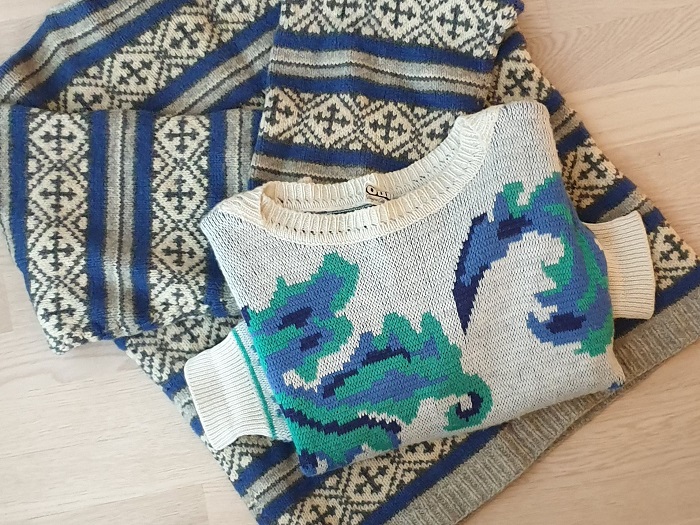
It’s freezing outside so it sounds like the perfect opportunity to write about a topic I have been researching for years now: ethical wool. I mean, is there even such a thing? As a vegan, I’m obviously against the exploitation of sheep but as an environmentalist, I’m also against bringing more plastic into the world. So I think it’s time for me to share what I learned and how I finally found a good solution
What’s wrong with regular Wool?
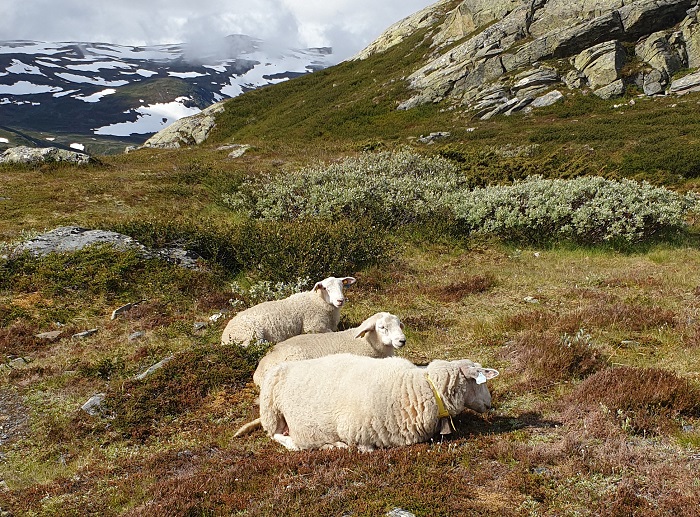
Animal agriculture comes at a huge environmental cost but most people think sheep need to be shorn anyway and view wool as some sort of byproduct of the meat industry (which has its own ethical nightmare). But that’s not really how it works. Before we domesticated them, sheep didn’t need to be shorn. They just shed their winter coats by rubbing against trees or rocks. Wild sheep still do that today. But domestic sheep? We bred them to have more skin folds and grow wool continuously instead of shedding it. That’s more or less how we created the merino sheep. Then we invented mulesing, which is a mutilation where farmers cut strips of skin from around a sheep’s rear end without anesthesia to prevent maggot infestation (because urine and feces get trapped in the extra skin and wool). It’s as bad as it sounds. Speaking of merino sheep, they are primarily raised for their wool, so the meat byproduct narrative falls short. Then there’s all the animals that give us luxury fibers like angora rabbits, cashmere goats or alpaca. They usually go through horrific abuse when their coats are harvested, because it’s cheaper that way. How else do you make “affordable” luxury knits affordable?
Synthetic Yarn Sucks Too
Most vegans will tell you it’s better to use synthetic alternatives like acrylic yarn instead. Sure, overall, it has a lower carbon footprint and there is no cruelty involved but it’s just plastic and it sheds like crazy. Hello microplastics! Functionally? Synthetic fibers are worse in pretty much every way. They’re not as warm, they don’t have antibacterial properties, you can’t felt them, most pill a lot and they give you the joy of a static shock every five seconds (or is it just me?). Their only advantage is that you can throw them in the wash. Basically, both wool and acrylic are bad options so now what? Cotton? Hemp? Tencel? Sure. In the summer! It’s -18°C as I’m writing this post and I can assure you that none of these options will keep you warm.
What is ethical wool?
The definition of ethical wool is wool sourced with high standards for animal welfare, land management and worker rights. A lot of brands will tell you that “oh we source our wool from mulesing free-farms where the animals are treated humanely”. And yes, there are legit certifications for that, but don’t be fooled, their end goal is to produce wool and make a profit. Sheep live 10-12 years but after 5 or 6 years, the quality of their coat declines. Can you guess what happens then? They are sent to the slaughterhouse. Doesn’t sound very ethical to me! The same marketing trope is used for cashmere and alpaca. “We only source from small humane farms”. As for Angora, it’s always “we are sourcing it from our own rabbits” but the part where it’s blended with commercial merino wool is omitted. The truth is, ethical wool is an utopia.
What about sanctuaries?
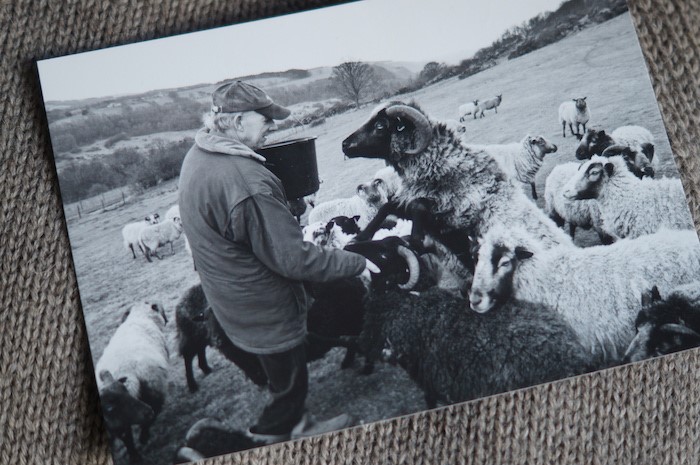
Rescued animals still need to be shorn regularly and sanctuaries could sell their wool. Most don’t because they view it as a way to perpetuate the use of animals as commodities. Instead they use it themselves for compost, mulch and bedding of even simply return it to nature for wild animals to use. I firmly believe that selling the wool can be a great way for rescues to finance themselves but it can only work at small scales. I’ve been searching for about 10 years and here’s what I found so far:
Izzy Lane (UK)
Sheep sanctuary (UK)
Welan (UK)
Star gazing farm (US)
Sanctuary wool (US)
There is already enough wool on the planet
I keep reminding myself that there is enough clothing on the planet for the next 6 generations. That’s how I managed to find a good compromise. First of all, I kept all my old wool items and learned to take care of them properly (here’s how) so they actually last. Second, I buy second-hand sweaters and coats, which means I’m not creating new demand for wool production. Third, as someone who crochets, I thrift yarn or buy ugly knitted things and frog them. And finally, I want to learn how to upcycle old wool blankets into coats.
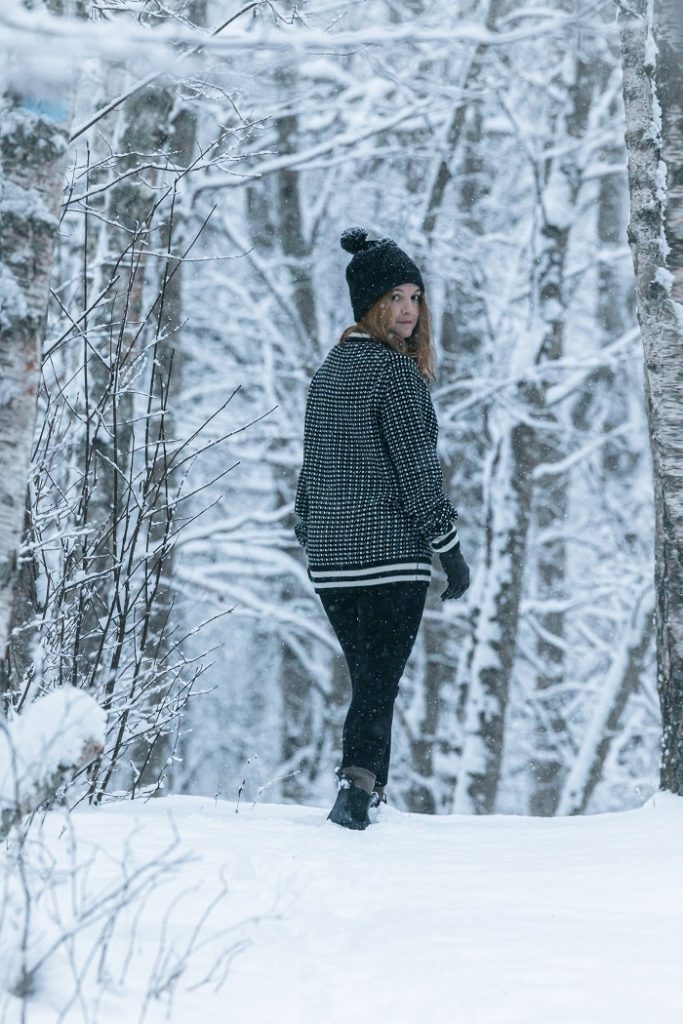
I know this isn’t perfect. But until other alternatives like woocoa or soybean fiber hit the market, it’s the most ethical approach I’ve found to staying warm without hurting animals or the planet.
Leave a Reply