
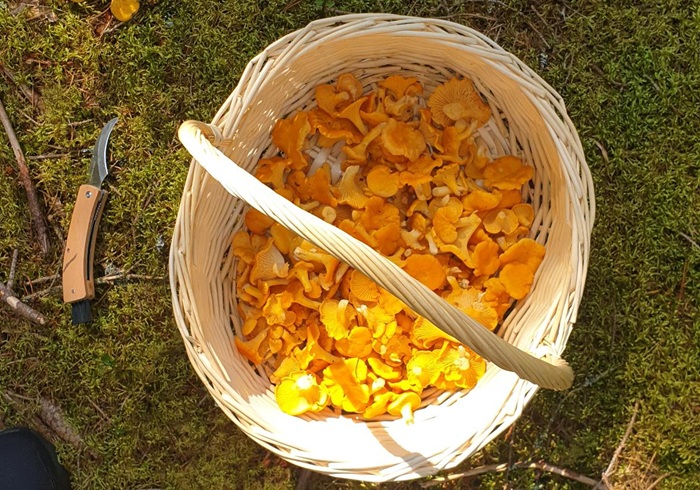
September in Scandinavia means one thing: chanterelles. Go into any forest right now and you will find people walking around with baskets full of mushrooms. Chanterelles are the gateway mushroom and even kids are trusted to spot them. If you want to get started with mushroom picking, it’s the species to start with.
But first, a word on danger
Here’s the thing about mushroom picking: it’s not that hard, but it demands knowledge. Whenever my friends see me pick something other than chanterelles, the question is always how I know if that one is safe. The answer is that I learned. I was lucky to study mycology in pharmacy school. It’s part of the curriculum and still today, many people bring in mushrooms to their pharmacy (if unsure) and the pharmacist identifies them. That gave me a good headstart but I need to be clear: I am no mycologist. There are a lot of species I’m not 100% sure about and I just don’t pick them. That’s the one rule you MUST absolutely follow because mushrooms can kill you.
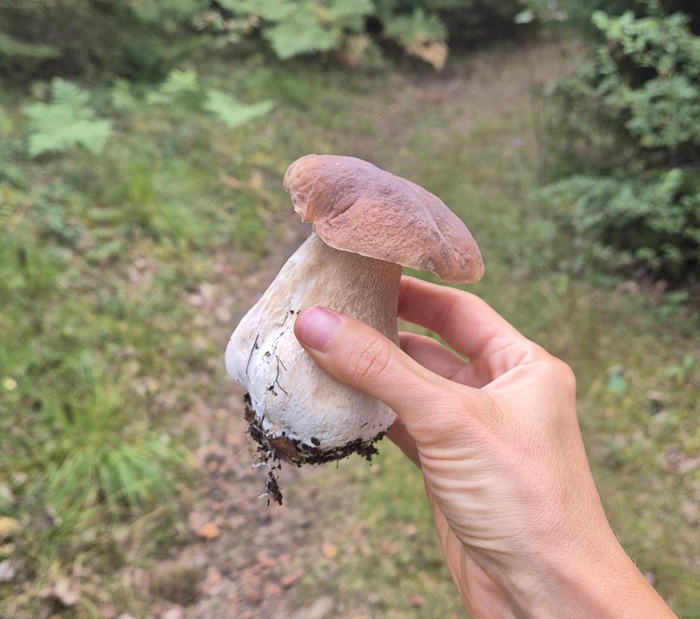
Tips for getting started
Use a guide with photos
Descriptions are not enough. Mushrooms vary a lot with age and weather and a guide with a lot of text and very few photos will not capture that. Bonus points if it’s a guide specific to your area because species that may look similar don’t always grow in the same geographic regions.
Avoid the apps
Being able to scan a mushroom and get told what it is sounds amazing. And most of the time it works. But it’s not accurate. I did it for fun a few times and I would get the wrong species, or a species that doesn’t exist in Norway or even worse: different species by scanning the same mushroom.
Learn to recognize trees
Many mushrooms have a symbiotic relationship with specific tree species and that helps with identification. For example saffron milkcaps and false saffron milkcaps look quite similar. Both are orange with bright orange latex that turns green but one is delicious and grows under pine trees while the other, which grows under spruce, is bitter and very prone to maggots.
Find someone who knows or join a group
This is the best tip. nothing replaces having an experienced person show you and explain exactly what they’re checking. You get to see many different examples of the same species and you can touch them and smell them. Plus they know the good spots! Many towns have foraging clubs or mycological societies that run group outings. Facebook group are a great option too.
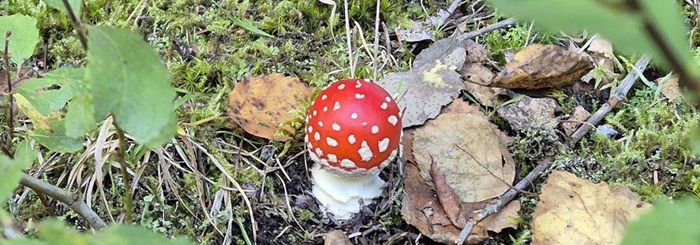
Learn about the dangerous mushrooms too.
No problem if you touch them, as long as you wash your hands after. They’re only dangerous when ingested. Best case scenario: you end up trippin or with the runs. Worst case: liver and kidney failure if you ate a little bit of deathcap and you either die or need a transplant.
Go for forest walks
There is this rule that says one must not share good mushroom spots so most likely, no one will tell you where to go. But if you go on walks, you might stumble upon a few mushrooms next to the path and if you look a bit further into the woods, you find more. That’s how I found my favorite spot. I like to run there and one day I noticed chanterelles. I went back and found a lot more and nobody knows about it.
Don’t be a jerk
Respect the forest. Try to stay on paths for the most part and when you leave them, avoid stepping on plantlings or bugs. Also, don’t pick mushrooms that are too small (let them grow) and don’t take more than you will eat.
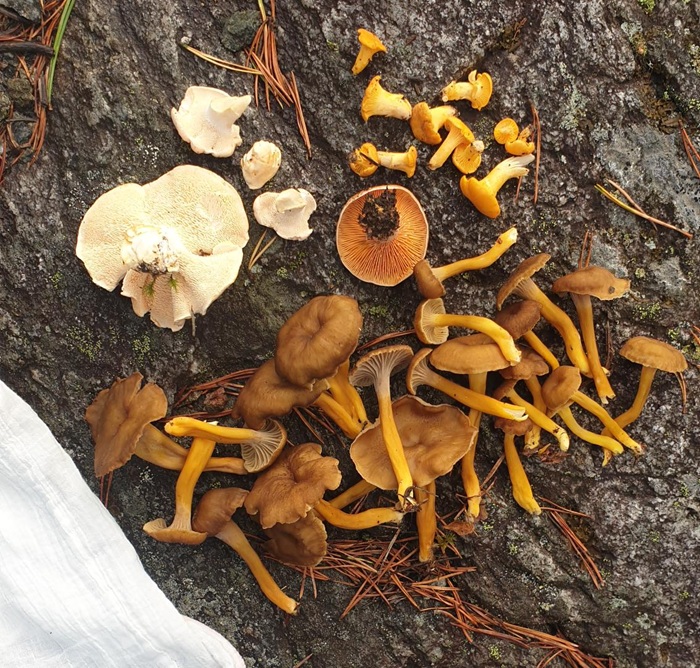
Let’s talk about the gear
Mushroom picking is very affordable. I already mentioned the guide but you won’t really need it after a while. Otherwise you need weather-appropriate clothes, a basket, a knife and maybe a brush for cleaning off dirt and debris (but your fingers work too). If you are a tick and mosquito magnet like me, bug spray might be a good idea.
What about the prep work?
There are basically two schools of thought when it comes to washing mushrooms. A lot of sources tell you not to wash them because they’ll soak up water and lose flavor. That’s nonsense. The extra water cooks off anyway. The people saying that are probably the same ones who don’t wash their produce. Wild mushrooms grow on the forest floor so they might be covered in dirt, bugs, slug slime and other debris. I usually brush off the worst and trim the stems while picking, then soak them at home in a bowl of water with a tablespoon of plain flour. Give them a stir, rinse and they’re ready to cook. My mycology professor always said to eat wild mushrooms within 24 hours so if I’m not using them right away, I will pre-cook them (else they turn to mush) and freeze them.
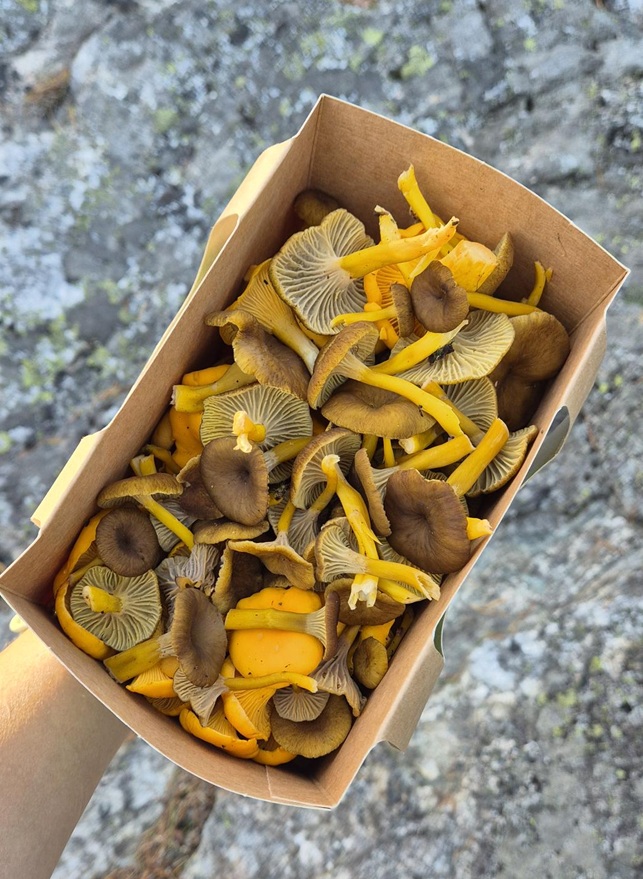
Mushroom picking is just the best
It’s one of those rare hobbies that is fun AND useful. It gets you outside, get you active, gives you something to learn and get better at. Besides, it’s quite meditative because you’re so focused on finding the mushrooms that everything else is paused. The best part is that at the end of the walk, you come home with a delicious reward.
Leave a Reply